
Introduction
In an age dominated by smartphones, artificial intelligence, and ultra-high-definition digital photography, retro cameras continue to captivate photography enthusiasts around the world. These vintage devices, often associated with film photography and classic craftsmanship, represent more than just a method of capturing images. They symbolize nostalgia, creativity, and a slower, more intentional approach to photography.
Retro cameras have experienced a remarkable resurgence in recent years. From collectors seeking rare models to young photographers exploring film for the first time, the appeal of vintage photography has transcended generations. The unique aesthetics, mechanical precision, and artistic experience offered by retro cameras provide a refreshing contrast to the convenience and immediacy of modern digital devices.
This article explores the history, types, advantages, cultural significance, and enduring popularity of retro cameras, highlighting why these timeless tools continue to inspire photographers worldwide.
The History of Retro Cameras
Photography has evolved significantly since its invention in the early nineteenth century. Early cameras were large, cumbersome devices requiring long exposure times and extensive technical knowledge. As technology advanced, cameras became smaller, more portable, and increasingly accessible to the public.
The late nineteenth and early twentieth centuries saw the introduction of roll-film cameras, which revolutionized photography. Companies such as Kodak made photography available to ordinary people by simplifying the process. Their famous slogan, “You press the button, we do the rest,” reflected a new era of convenience.
The mid-twentieth century is often regarded as the golden age of retro cameras. During this period, manufacturers such as Leica, Canon, Nikon, Pentax, Olympus, and Minolta produced iconic cameras that combined durability, precision engineering, and elegant design. These cameras were predominantly mechanical, relying on gears, springs, and manual controls rather than electronic systems.
Film photography dominated the market until the rise of digital cameras in the late 1990s and early 2000s. As digital technology became more affordable and practical, many film cameras were abandoned. However, rather than disappearing entirely, retro cameras gradually gained a cult following, eventually leading to the modern revival of analog photography.
What Defines a Retro Camera?
A retro camera generally refers to a camera that reflects the style, design, or technology of earlier photographic eras. While definitions may vary, retro cameras typically possess several distinguishing characteristics:
Mechanical Construction
Most vintage cameras feature mechanical components that require manual operation. Photographers often adjust focus, aperture, shutter speed, and film advancement themselves.
Film-Based Photography
Traditional retro cameras use photographic film instead of digital sensors. Film captures images through a chemical process involving light-sensitive materials.
Classic Design
Retro cameras are known for their attractive designs, featuring metal bodies, leather coverings, engraved markings, and tactile controls.
Manual Controls
Unlike modern cameras that rely heavily on automation, retro cameras encourage photographers to make creative decisions manually.
Distinctive Image Quality
Film photography produces unique colors, grain patterns, and tonal characteristics that many photographers find aesthetically pleasing.
Types of Retro Cameras
Retro cameras come in various forms, each offering a different photographic experience.
Rangefinder Cameras
Rangefinder cameras gained popularity during the mid-twentieth century. These cameras use a separate focusing mechanism that allows photographers to achieve accurate focus without looking directly through the lens.
Rangefinders are valued for their compact size, quiet operation, and exceptional image quality. They became favorites among street photographers and photojournalists.
Single-Lens Reflex (SLR) Cameras
SLR cameras use a mirror system that allows photographers to see exactly what the lens sees. This innovation significantly improved composition and focusing accuracy.
Classic SLR cameras from the 1960s through the 1980s remain highly sought after due to their versatility and extensive lens options.
Twin-Lens Reflex (TLR) Cameras
TLR cameras feature two lenses mounted vertically. One lens captures the image while the other provides a viewing image through a waist-level finder.
These cameras became famous for their distinctive square-format photographs and unique shooting experience.
Medium Format Cameras
Medium format cameras use larger film sizes than standard 35mm cameras. The larger negative produces greater detail, richer tones, and superior image quality.
Many professional photographers relied on medium format cameras for fashion, portrait, and landscape photography.
Instant Cameras
Instant cameras provide immediate photographic prints shortly after exposure. Vintage instant cameras remain popular due to their fun, spontaneous nature and nostalgic appeal.
The Art of Film Photography
One of the primary reasons retro cameras continue to attract enthusiasts is the artistic experience of shooting film.
Intentional Photography
Film photography encourages photographers to think carefully before pressing the shutter button. With a limited number of exposures available on each roll, every frame becomes valuable.
This deliberate approach often leads to stronger compositions and more thoughtful image-making.
The Excitement of Uncertainty
Unlike digital photography, film photographers cannot immediately review their images. The anticipation of developing film adds excitement and mystery to the creative process.
Photographers often describe the moment of seeing developed negatives or prints as deeply rewarding.
Unique Aesthetic Qualities
Film possesses characteristics that are difficult to replicate digitally. Different film stocks produce distinct color palettes, contrast levels, and grain structures.
Many photographers appreciate the organic imperfections of film, which contribute to a sense of authenticity and character.
Why Retro Cameras Are Popular Again
The resurgence of retro cameras can be attributed to several factors.
Nostalgia
Many people are drawn to retro cameras because they evoke memories of earlier times. Vintage cameras remind users of family photo albums, historical events, and the tactile experiences of analog technology.
Digital Fatigue
Modern life is increasingly dominated by screens and digital devices. Retro cameras offer a welcome escape from constant connectivity and instant gratification.
Film photography encourages mindfulness and engagement with the physical world.
Creative Exploration
Photographers often use retro cameras to challenge themselves creatively. The limitations of film encourage experimentation and skill development.
Social Media Influence
Ironically, social media has played a significant role in reviving film photography. Platforms such as Instagram have exposed younger generations to vintage aesthetics and analog techniques.
Many photographers share film images online, inspiring others to explore retro photography.
Collector Interest
Vintage cameras have become valuable collectibles. Rare models can command high prices among enthusiasts who appreciate their historical significance and craftsmanship.
Advantages of Using Retro Cameras
Retro cameras offer several unique benefits.
Enhanced Learning
Manual controls help photographers understand fundamental photographic principles such as exposure, focus, and depth of field.
Many photography instructors recommend learning with manual cameras to develop technical skills.
Superior Craftsmanship
Vintage cameras were often built with exceptional attention to detail. Metal construction and precision engineering contribute to their durability and reliability.
Distinctive Results
Film photography produces images with unique visual qualities that differ from digital photography. These characteristics help photographers develop distinctive artistic styles.
Greater Appreciation for Photography
The slower pace of film photography encourages photographers to value each image and engage more deeply with the creative process.
Challenges of Retro Photography
While retro cameras offer many rewards, they also present certain challenges.
Film Costs
Film and processing expenses can be significant compared to digital photography, where images can be captured at virtually no additional cost.
Limited Exposures
A typical roll of film contains between 24 and 36 exposures, requiring photographers to use each frame carefully.
Maintenance Requirements
Vintage cameras may require repairs, cleaning, or replacement parts. Mechanical systems can wear out over time.
Learning Curve
Beginners may find manual controls intimidating initially. However, many photographers view this challenge as part of the appeal.
Iconic Retro Camera Brands
Several manufacturers have earned legendary status in the world of vintage photography.
Leica
Leica cameras are renowned for their precision engineering and exceptional optical quality. Many famous photographers used Leica rangefinders to document historical events.
Nikon
Nikon’s classic film cameras gained widespread popularity among professionals and enthusiasts alike. Their reliability and lens systems contributed to their enduring reputation.
Canon
Canon produced numerous innovative film cameras that combined advanced features with user-friendly operation.
Pentax
Pentax cameras became known for their affordability, durability, and high-quality lenses.
Olympus
Olympus introduced compact cameras that delivered impressive performance in portable designs.
Hasselblad
Hasselblad medium format cameras achieved iconic status through their exceptional image quality and use in professional photography, including space missions.
Retro Cameras in Popular Culture
Retro cameras have maintained a strong presence in popular culture. They frequently appear in films, television shows, fashion campaigns, and art exhibitions.
Vintage cameras often symbolize creativity, authenticity, and a connection to the past. Their distinctive appearance makes them popular props in visual storytelling.
Many celebrities, artists, and influencers have embraced film photography, further contributing to the renewed interest in retro cameras.
The Future of Retro Photography
Despite advances in digital technology, retro photography continues to thrive. Film manufacturers have introduced new products to meet growing demand, while camera repair specialists help preserve vintage equipment.
Younger generations increasingly view film photography as both an artistic medium and a cultural experience. Photography schools, workshops, and online communities support newcomers interested in learning analog techniques.
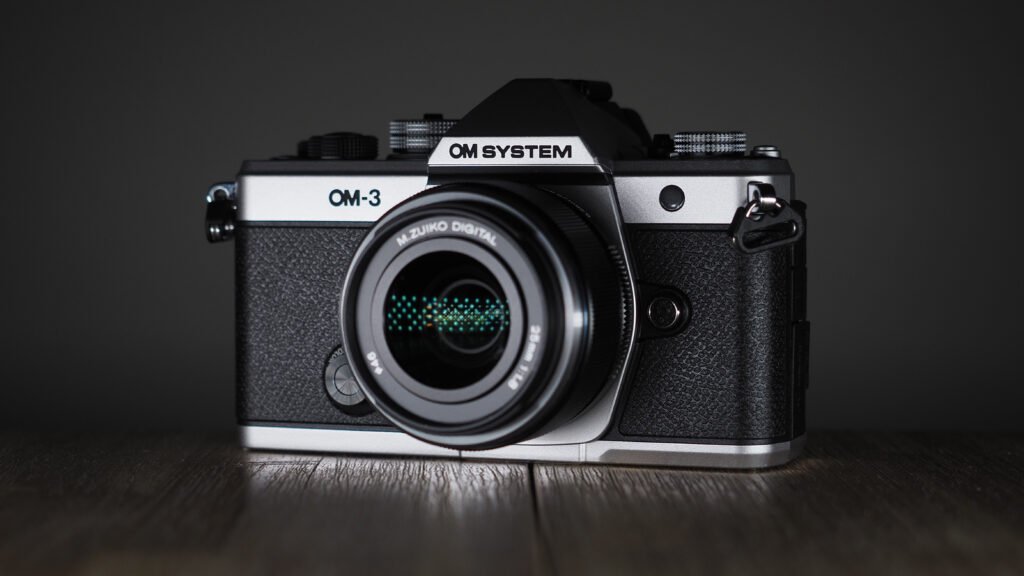
Manufacturers have also responded by creating modern digital cameras with retro-inspired designs. These cameras combine classic aesthetics with contemporary technology, appealing to photographers who appreciate vintage style without sacrificing digital convenience.
The future of retro photography appears promising as enthusiasts continue to celebrate the craftsmanship, creativity, and unique experiences offered by vintage cameras.
Conclusion
Retro cameras represent far more than outdated technology. They embody a rich photographic heritage that continues to inspire artists, collectors, and hobbyists worldwide. Through their mechanical precision, timeless design, and distinctive image quality, these cameras offer a unique alternative to the fast-paced world of digital photography.
The resurgence of interest in retro cameras demonstrates that people still value craftsmanship, creativity, and meaningful experiences. Whether used for artistic expression, historical appreciation, or personal enjoyment, retro cameras provide an enduring connection to the roots of photography.
As technology continues to evolve, the charm of vintage cameras remains unchanged. Their ability to slow down the photographic process, encourage thoughtful image-making, and produce beautifully unique results ensures that retro cameras will continue to hold a special place in the hearts of photographers for generations to come.