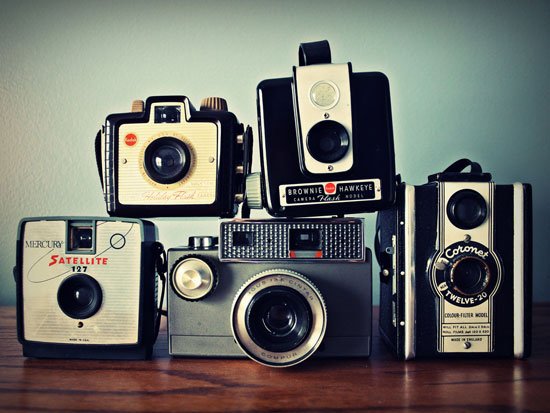

Introduction
Photography has transformed dramatically over the past two centuries. From large wooden boxes requiring lengthy exposure times to the sophisticated digital cameras and smartphones of today, the evolution of photography reflects humanity’s constant pursuit of innovation. Yet despite the convenience and technological superiority of modern devices, vintage cameras continue to captivate photographers, collectors, and history enthusiasts around the world.
Vintage cameras represent more than obsolete technology. They are symbols of craftsmanship, artistic expression, and historical significance. Each camera tells a story about the era in which it was created, the technological advancements of its time, and the countless moments it helped preserve. Whether displayed on a collector’s shelf or actively used by photographers seeking a unique aesthetic, vintage cameras maintain a special place in the world of photography.
This article explores the history, types, appeal, and enduring legacy of vintage cameras, highlighting why these remarkable devices continue to fascinate people in the digital age.
The History of Vintage Cameras
The history of photography began in the early nineteenth century with the invention of the camera obscura and the development of light-sensitive materials. In 1839, Louis Daguerre introduced the daguerreotype process, marking the birth of practical photography. Early cameras were large, expensive, and difficult to operate, limiting their use to professionals and wealthy individuals.
As photographic technology improved, cameras became smaller, more affordable, and increasingly accessible. The late nineteenth century witnessed a major breakthrough when George Eastman introduced the Kodak camera. His famous slogan, “You press the button, we do the rest,” revolutionized photography by making it available to ordinary people.
The twentieth century became the golden age of camera manufacturing. Companies in Germany, Japan, the United States, and other countries competed to produce innovative designs and superior optics. Cameras from this period are often considered vintage today. Many were built with exceptional precision and durability, using metal components and handcrafted mechanisms that remain functional decades later.
Throughout the twentieth century, photography evolved from a specialized profession into a popular hobby. Cameras documented wars, scientific discoveries, cultural movements, family milestones, and everyday life. Vintage cameras played a central role in preserving these moments and shaping visual history.
What Defines a Vintage Camera?
The term “vintage camera” generally refers to cameras manufactured several decades ago, particularly before the widespread adoption of digital photography. While there is no universally accepted age requirement, cameras produced between the early 1900s and the 1980s are commonly classified as vintage.
Several characteristics distinguish vintage cameras from modern equipment:
- Mechanical operation rather than electronic automation.
- Metal construction with high-quality craftsmanship.
- Manual controls for focus, aperture, and shutter speed.
- Use of photographic film instead of digital sensors.
- Distinctive aesthetic designs reflecting their historical era.
Vintage cameras vary greatly in appearance and functionality. Some are simple box cameras designed for amateur use, while others are sophisticated professional tools capable of producing exceptional image quality.
Types of Vintage Cameras
Box Cameras
Box cameras were among the earliest mass-produced cameras. Their simple rectangular design and fixed-focus lenses made photography accessible to beginners. Popular during the late nineteenth and early twentieth centuries, box cameras were affordable and easy to operate.
Although limited in technical capabilities, box cameras introduced millions of people to photography. Today, they are valued for their historical significance and nostalgic charm.
Folding Cameras
Folding cameras became popular in the early twentieth century. These cameras featured collapsible bellows that allowed them to fold into compact shapes for transportation.
The design combined portability with excellent image quality. Many folding cameras used medium-format film, producing detailed photographs that remain impressive even by modern standards.
Collectors often admire folding cameras for their elegant engineering and distinctive appearance.
Twin-Lens Reflex Cameras
Twin-lens reflex (TLR) cameras gained popularity during the 1930s and 1940s. They feature two lenses mounted vertically on the front of the camera. One lens is used for viewing and focusing, while the other captures the image.
Photographers look down into a waist-level viewfinder, creating a unique shooting experience. TLR cameras are known for their sharp images, quiet operation, and distinctive square-format photographs.
These cameras remain highly sought after among film enthusiasts and collectors.
Rangefinder Cameras
Rangefinder cameras use a focusing mechanism that allows photographers to determine distance through a separate viewing system. They became especially popular among street photographers and photojournalists due to their compact size and fast operation.
Many legendary photographs of the twentieth century were captured using rangefinder cameras. Their quiet shutters and unobtrusive designs made them ideal for documenting real-life events.
Rangefinders continue to enjoy a loyal following among photographers who appreciate their simplicity and precision.
Single-Lens Reflex Cameras
Single-lens reflex (SLR) cameras represented a major advancement in photographic technology. They use a mirror system that allows photographers to see exactly what the lens sees.
Introduced in various forms throughout the twentieth century, vintage SLRs offered interchangeable lenses and greater creative control. They became popular among professionals and serious hobbyists.
Many vintage SLRs remain fully functional and are still used by film photographers today.
The Craftsmanship of Vintage Cameras
One of the most remarkable aspects of vintage cameras is their craftsmanship. Unlike many modern devices designed for mass production and short replacement cycles, vintage cameras were often built to last a lifetime.
Manufacturers invested considerable effort into precision engineering. Components were frequently machined from brass, steel, and aluminum. Shutter mechanisms consisted of intricate gears, springs, and levers assembled with extraordinary accuracy.
The tactile experience of operating a vintage camera is difficult to replicate. Turning a focusing ring, advancing film manually, and hearing the mechanical click of a shutter create a sense of connection between photographer and machine.
Many collectors view vintage cameras as mechanical works of art rather than mere photographic tools.
Why People Collect Vintage Cameras
Vintage camera collecting has become a popular hobby worldwide. Collectors are drawn to these cameras for various reasons.
Historical Significance
Each camera represents a piece of technological history. Collectors often seek models associated with important periods in photographic development.
Design and Aesthetics
Vintage cameras frequently feature elegant designs that combine form and function. Leather coverings, chrome finishes, engraved markings, and polished metal components contribute to their visual appeal.
Investment Value
Certain rare cameras have become valuable collectibles. Limited-production models and historically significant cameras can command high prices in the collector market.
Personal Nostalgia
Many collectors have emotional connections to vintage cameras. Some inherited cameras from family members, while others seek equipment similar to those used during their childhood.
The Revival of Film Photography
In recent years, film photography has experienced a remarkable resurgence. Despite the dominance of digital technology, many photographers have returned to analog methods.
Several factors contribute to this revival:
Unique Image Quality
Film produces characteristics that differ from digital images. Grain, color rendition, dynamic range, and tonal transitions create a distinctive visual aesthetic that many photographers find appealing.
Intentional Photography
Film encourages a slower and more deliberate approach. With a limited number of exposures available on each roll, photographers often spend more time composing and evaluating their shots.
Creative Exploration
Many artists appreciate the unpredictability of film. Variations in exposure, development, and film stock can produce unexpected and inspiring results.
Educational Value
Using vintage cameras helps photographers understand the fundamentals of exposure, focus, and composition. Manual controls encourage deeper engagement with photographic principles.
Challenges of Using Vintage Cameras
While vintage cameras offer numerous rewards, they also present challenges.
Maintenance Requirements
Mechanical cameras require regular maintenance to remain functional. Lubricants can dry out, shutters may become inaccurate, and bellows can develop light leaks.
Film Availability
Although film remains available, it is less convenient and more expensive than digital photography. Processing and scanning add additional costs.
Learning Curve
Many vintage cameras lack automatic features. Users must understand concepts such as shutter speed, aperture, and focusing techniques.
Repair Difficulties
Finding replacement parts and qualified repair technicians can be challenging, particularly for rare models.
Despite these obstacles, enthusiasts often consider the experience worthwhile.
Vintage Cameras in Popular Culture
Vintage cameras have maintained a strong presence in popular culture. They frequently appear in films, television shows, museums, and advertising campaigns.
Their distinctive appearance instantly conveys nostalgia, authenticity, and artistic sophistication. Vintage cameras often symbolize creativity, exploration, and a connection to the past.
Many photographers, filmmakers, and designers use vintage camera imagery to evoke historical atmosphere and emotional resonance.
Preserving Vintage Cameras
Proper preservation is essential for maintaining the condition and value of vintage cameras.
Collectors typically follow several guidelines:
- Store cameras in cool, dry environments.
- Protect equipment from excessive humidity.
- Avoid direct sunlight and extreme temperatures.
- Clean lenses carefully using appropriate materials.
- Exercise mechanical components periodically.
- Use protective cases when transporting equipment.
These practices help ensure that cameras remain functional and visually appealing for future generations.
The Educational Importance of Vintage Cameras
Vintage cameras serve as valuable educational tools. Museums, photography schools, and historical institutions use them to teach technological history and photographic principles.
By studying vintage cameras, students gain insight into how photographers worked before digital technology transformed the field. They learn about exposure calculations, chemical processing, and the mechanical innovations that paved the way for modern imaging systems.
Understanding the evolution of cameras fosters appreciation for both historical achievements and contemporary advancements.
The Future of Vintage Cameras
Although digital photography dominates the modern world, vintage cameras are unlikely to disappear. Their continued popularity reflects a broader appreciation for craftsmanship, authenticity, and tangible experiences.
As younger generations discover film photography, interest in vintage cameras continues to grow. Online communities, social media groups, repair workshops, and photography clubs support this renewed enthusiasm.
Advances in film production and scanning technology have also made it easier for photographers to incorporate vintage equipment into contemporary workflows. Many artists combine traditional cameras with modern editing techniques, creating unique blends of old and new.
The future of vintage cameras may not involve mass-market adoption, but their cultural and artistic significance remains secure.
Conclusion
Vintage cameras occupy a unique place in photographic history. They are more than relics of outdated technology; they are enduring symbols of innovation, craftsmanship, and artistic expression. From humble box cameras to sophisticated rangefinders and SLRs, these devices documented countless moments that shaped human history.
Collectors treasure vintage cameras for their beauty and historical value, while photographers continue to use them for their distinctive image quality and tactile shooting experience. The resurgence of film photography demonstrates that many people still appreciate the slower, more intentional process that vintage cameras encourage.
In an age dominated by digital convenience, vintage cameras remind us of photography’s rich heritage and the enduring power of capturing moments through mechanical precision and creative vision. Their legacy continues to inspire new generations, ensuring that the golden age of photography remains alive for years to come.