
Introduction
Car insurance is one of the most important financial protections for vehicle owners. Whether you drive every day for work, occasionally for leisure, or use your vehicle for family transportation, having the right insurance coverage can protect you from significant financial losses. However, many drivers struggle to understand the difference between Full Coverage vs Liability Car Insurance .
Choosing between these two types of insurance can have a major impact on your finances, level of protection, and peace of mind. While liability insurance is generally the minimum coverage required by law in most states, full coverage provides broader protection for your vehicle and finances.
This article explores the differences between full coverage and liability car insurance, their benefits, costs, limitations, and how to determine which option is best for your specific needs.
What Is Liability Car Insurance?
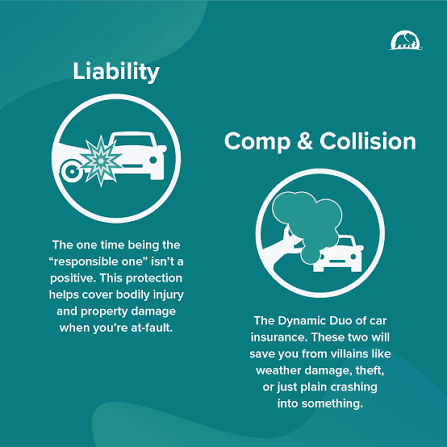
Liability car insurance is the most basic form of auto insurance. It is designed to cover damages and injuries that you cause to other people when you are at fault in an accident.
Liability insurance does not cover your own vehicle or medical expenses. Instead, it protects other drivers, passengers, pedestrians, and property owners from losses caused by your actions.
Components of Liability Insurance
Liability insurance typically consists of two primary parts:
1. Bodily Injury Liability
This coverage pays for medical expenses, lost wages, rehabilitation costs, and legal expenses for people injured in an accident you caused.
Examples include:
- Medical bills
- Emergency room visits
- Physical therapy
- Lost income
- Legal settlements
2. Property Damage Liability
This coverage pays for damage to another person’s property.
Examples include:
- Vehicle repairs
- Fence damage
- Building repairs
- Utility pole replacement
- Mailbox repairs
Why Liability Insurance Is Required
Most states require drivers to carry minimum liability insurance limits to ensure that accident victims can receive compensation for injuries and property damage.
Driving without liability insurance can result in:
- Fines
- License suspension
- Vehicle registration suspension
- Legal penalties
- Higher future insurance rates
What Is Full Coverage Car Insurance?
Full coverage car insurance is not actually a specific insurance policy. Instead, it refers to a combination of multiple insurance coverages that provide broader protection than liability insurance alone.
Typically, full coverage includes:
- Liability insurance
- Collision coverage
- Comprehensive coverage
Some drivers may also add:
- Uninsured motorist coverage
- Personal injury protection
- Medical payments coverage
- Roadside assistance
- Rental car reimbursement
Collision Coverage
Collision insurance pays for damage to your own vehicle after a collision, regardless of who is at fault.
Covered incidents include:
- Car accidents
- Collisions with trees
- Accidents involving guardrails
- Single-vehicle crashes
For example, if you accidentally hit another vehicle and your car suffers $8,000 in damage, collision coverage can help pay for repairs after your deductible.
Comprehensive Coverage
Comprehensive insurance protects your vehicle against non-collision incidents.
Examples include:
- Theft
- Vandalism
- Fire
- Flooding
- Hail damage
- Falling objects
- Animal collisions
If your car is stolen or damaged by a severe storm, comprehensive insurance can help cover repair or replacement costs.
Key Differences Between Full Coverage and Liability Insurance
Understanding the distinction between these coverage options is critical.
| Feature | Liability Insurance | Full Coverage Insurance |
|---|---|---|
| Covers injuries to others | Yes | Yes |
| Covers property damage to others | Yes | Yes |
| Covers your vehicle damage | No | Yes |
| Covers theft | No | Yes |
| Covers vandalism | No | Yes |
| Covers weather damage | No | Yes |
| Required by law | Usually yes | Usually no |
| Higher premium | No | Yes |
| Better financial protection | Limited | Extensive |
The biggest difference is that liability insurance protects other people, while full coverage also protects your own vehicle.
Benefits of Liability Car Insurance
Liability insurance remains popular because it offers several advantages.
Lower Monthly Premiums
Liability insurance costs significantly less than full coverage insurance.
Drivers often choose liability coverage when:
- Driving older vehicles
- Working with a limited budget
- Owning a vehicle with low market value
Meets Legal Requirements
Since most states require liability coverage, purchasing a liability-only policy helps drivers remain legally compliant.
Simple Coverage Structure
Liability policies are generally easier to understand because they focus only on damages caused to others.
Good for Older Cars
If your vehicle has a low market value, paying for full coverage may not be financially worthwhile.
For example, a car worth $2,500 may not justify paying several hundred dollars annually for comprehensive and collision coverage.
Drawbacks of Liability Insurance
Despite its affordability, liability insurance has several limitations.
No Protection for Your Vehicle
If you cause an accident, liability insurance will not pay for repairs to your own car.
You must cover those expenses out of pocket.
No Theft Protection
If your vehicle is stolen, liability insurance provides no compensation.
No Weather Coverage
Damage from storms, hail, floods, or falling trees is not covered.
Greater Financial Risk
Drivers with liability-only insurance face significant financial exposure after accidents or unexpected events.
Benefits of Full Coverage Insurance
Full coverage insurance offers broader protection and greater financial security.
Vehicle Repair Coverage
One of the biggest advantages is protection for your vehicle after accidents.
Even if you’re responsible for a collision, your insurance can help cover repair costs.
Theft Protection
Vehicle theft remains a serious issue in many areas.
Comprehensive coverage helps replace or repair stolen vehicles.
Natural Disaster Protection
Weather-related events can cause extensive vehicle damage.
Full coverage often protects against:
- Floods
- Hurricanes
- Tornadoes
- Hailstorms
- Wildfires
Protection Against Unpredictable Events
Unexpected incidents happen regularly.
Examples include:
- Tree branches falling on vehicles
- Animal collisions
- Vandalism
- Broken windows
- Civil disturbances
Comprehensive insurance helps cover these losses.
Lender Requirements
If you finance or lease a vehicle, your lender will usually require full coverage.
This protects their financial interest in the vehicle.
Drawbacks of Full Coverage Insurance
Although full coverage offers more protection, it also comes with disadvantages.
Higher Insurance Costs
Full coverage premiums can be substantially more expensive than liability-only policies.
Factors affecting costs include:
- Vehicle value
- Driver age
- Location
- Driving history
- Credit score (in some states)
Deductibles Apply
Collision and comprehensive claims usually require deductibles.
Common deductible amounts include:
- $250
- $500
- $1,000
You must pay the deductible before insurance covers remaining expenses.
May Not Be Cost-Effective for Older Vehicles
If a vehicle’s value is very low, the cost of full coverage may exceed the potential insurance payout.
Cost Comparison
Insurance premiums vary by company and location, but generally:
Liability Insurance
Average annual costs:
- Approximately $500–$1,200
Full Coverage Insurance
Average annual costs:
- Approximately $1,500–$3,500 or more
The exact difference depends on:
- State regulations
- Driving record
- Vehicle type
- Age
- Coverage limits
Young drivers often experience the largest premium differences.
When Liability Insurance Makes Sense
Liability-only coverage may be the right choice if:
Your Vehicle Has Low Value
Older vehicles with low resale value may not justify comprehensive and collision coverage.
You Can Afford Repairs
If you have sufficient savings to repair or replace your vehicle, liability insurance may be adequate.
You Want Lower Monthly Costs
Budget-conscious drivers often prioritize affordability over extensive protection.
You Own Your Vehicle Outright
Without a lender requiring full coverage, you have more flexibility in choosing coverage levels.
When Full Coverage Makes Sense
Full coverage may be the better option if:
You Own a New Vehicle
New cars are expensive to repair and replace.
Full coverage protects this investment.
You Have a Car Loan or Lease
Most lenders require:
- Collision coverage
- Comprehensive coverage
Failure to maintain coverage can violate loan agreements.
You Depend on Your Vehicle
If your vehicle is essential for commuting or family transportation, full coverage provides valuable protection.
You Live in High-Risk Areas
Areas with higher rates of theft, severe weather, or accidents may justify full coverage.
You Want Financial Security
Many drivers prefer peace of mind knowing they are protected from a wide range of risks.
How Deductibles Affect Full Coverage
A deductible is the amount you pay before insurance begins covering a claim.
For example:
Vehicle repair cost: $4,000
Deductible: $500
Insurance payment: $3,500
Your payment: $500
Higher deductibles generally result in lower premiums.
Lower deductibles usually increase premiums but reduce out-of-pocket expenses after an accident.
Factors to Consider Before Choosing
Before deciding between liability and full coverage insurance, evaluate several factors.
Vehicle Value
The more valuable the vehicle, the more beneficial full coverage becomes.
Financial Situation
Can you afford to replace your vehicle without insurance assistance?
Driving Habits
Drivers with long commutes face greater accident exposure.
Local Risks
Consider:
- Theft rates
- Weather conditions
- Traffic congestion
Insurance Budget
Balance affordability with adequate protection.
Common Myths About Full Coverage Insurance
Myth 1: Full Coverage Covers Everything
Full coverage does not literally cover every possible loss.
Policies still contain exclusions and limits.
Myth 2: Older Drivers Don’t Need Full Coverage
Coverage needs depend on vehicle value and financial circumstances, not just age.
Myth 3: Liability Insurance Is Always Cheapest
While liability insurance is generally cheaper, some discounts and bundled policies can narrow the cost gap.
Myth 4: Full Coverage Prevents All Out-of-Pocket Costs
Deductibles and coverage limits still apply.
How to Save Money on Car Insurance
Regardless of coverage type, consider these strategies:
Shop Around
Compare quotes from multiple insurers.
Maintain a Clean Driving Record
Safe drivers often qualify for significant discounts.
Increase Deductibles
Higher deductibles can reduce premiums.
Bundle Policies
Combining home and auto insurance may generate savings.
Ask About Discounts
Many insurers offer discounts for:
- Good students
- Military members
- Safe drivers
- Multi-car households
Improve Credit
In states where allowed, better credit can reduce insurance premiums.
Conclusion
Choosing between full coverage and liability car insurance is one of the most important decisions vehicle owners make. Liability insurance offers affordable protection for damages and injuries you cause to others, making it the minimum legal requirement in most states. However, it does not protect your own vehicle.
Full coverage insurance includes liability, collision, and comprehensive coverage, providing far broader protection against accidents, theft, weather damage, and other unexpected events. While it costs more, it can save drivers thousands of dollars in repair and replacement expenses.
The best choice depends on your vehicle’s value, financial situation, risk tolerance, and personal needs. Drivers with newer vehicles, loans, or significant financial exposure often benefit from full coverage. Meanwhile, owners of older vehicles with lower values may find liability insurance sufficient.
By understanding the strengths and limitations of each option, you can make an informed decision that balances cost, protection, and peace of mind, ensuring that you have the right coverage for your driving situation.