
Introduction
Student car insurance is one of the most important financial considerations for young drivers in the United States. Whether you are a high school student who recently received a driver’s license or a college student commuting to campus, having the right auto insurance coverage is essential. Not only is car insurance legally required in most states, but it also protects students from potentially devastating financial losses caused by accidents, theft, or vehicle damage.
Unfortunately, student drivers often face some of the highest insurance premiums in the country. Insurance companies consider younger drivers to be higher-risk because they have less driving experience and are statistically more likely to be involved in accidents. However, there are many ways students can find affordable coverage and reduce insurance costs.
This comprehensive guide explains everything students need to know about car insurance in the USA, including coverage options, average costs, discounts, and tips for finding the best policy.
What Is Student Car Insurance?
Student car insurance refers to auto insurance coverage designed for young drivers who are enrolled in high school, college, university, or vocational programs. While there is no special insurance policy exclusively for students, many insurance companies offer discounts and programs tailored to younger drivers.
Student auto insurance provides financial protection against:
- Vehicle accidents
- Property damage
- Bodily injury claims
- Vehicle theft
- Vandalism
- Natural disasters
- Uninsured motorists
Every student who owns or drives a vehicle regularly should have adequate insurance coverage to comply with state laws and protect themselves financially.
Why Is Car Insurance Important for Students?
Many students underestimate the importance of auto insurance until they face an accident or vehicle-related issue. Car insurance serves several critical functions.
Legal Compliance
Nearly every state in the USA requires drivers to carry minimum liability insurance coverage. Driving without insurance can lead to:
- Fines
- License suspension
- Vehicle impoundment
- Legal penalties
Financial Protection
A single accident can result in thousands or even hundreds of thousands of dollars in damages. Insurance helps cover these expenses and prevents students from facing severe financial hardship.
Peace of Mind
Students often balance classes, jobs, internships, and social activities. Having proper insurance provides confidence that unexpected events will not create overwhelming financial burdens.
Why Is Student Car Insurance So Expensive?
Many students are surprised by high insurance premiums. Several factors contribute to these costs.
Lack of Driving Experience
Insurance companies evaluate risk when determining premiums. New drivers have limited experience and are statistically more likely to make mistakes on the road.
Higher Accident Rates
According to traffic safety data, teenage and young adult drivers experience higher accident rates than older drivers. This increased risk leads insurers to charge higher premiums.
Risk-Taking Behaviors
Insurance providers also consider behaviors that are more common among younger drivers, including:
- Speeding
- Distracted driving
- Driving at night
- Carrying multiple passengers
Credit and Insurance History
Many students have little or no credit history and limited insurance records, making it more difficult for insurers to assess risk.
Types of Student Car Insurance Coverage
Understanding the various coverage options helps students choose the right policy.
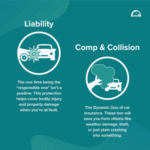
Liability Coverage
Liability insurance is mandatory in most states.
It covers:
- Bodily injury to others
- Property damage caused by the insured driver
Liability insurance does not cover damage to the student’s own vehicle.
Collision Coverage
Collision insurance pays for repairs to the student’s vehicle after an accident, regardless of fault.
This coverage is especially valuable for newer or financed vehicles.
Comprehensive Coverage
Comprehensive insurance protects against non-collision events such as:
- Theft
- Fire
- Floods
- Storm damage
- Falling objects
- Vandalism
Personal Injury Protection (PIP)
PIP covers medical expenses and related costs for the driver and passengers after an accident.
Some states require this coverage.
Uninsured and Underinsured Motorist Coverage
This coverage helps when another driver causes an accident but lacks sufficient insurance.
It can cover:
- Medical expenses
- Vehicle repairs
- Lost wages
Medical Payments Coverage
Medical payments coverage assists with healthcare expenses resulting from an accident regardless of fault.
Average Cost of Student Car Insurance
Insurance costs vary significantly based on location, age, driving record, and vehicle type.
Typical annual premiums for students may range from:
- $1,500 to $3,000 for college students on family policies
- $3,000 to $8,000 or more for teenage drivers with individual policies
Factors influencing rates include:
- State regulations
- Driving experience
- Vehicle value
- Credit score
- Coverage levels
- Claims history
Students in urban areas often pay more than those living in rural communities.
Best Car Insurance Companies for Students
Several insurers are known for offering competitive student rates and discounts.
State Farm
State Farm offers:
- Good Student Discount
- Student Away at School Discount
- Driver training programs
It is frequently considered one of the best choices for young drivers.
GEICO
GEICO provides:
- Affordable student coverage
- Good academic discounts
- Easy online management
Many college students appreciate its user-friendly digital tools.
Progressive
Progressive offers:
- Competitive pricing
- Usage-based insurance programs
- Multiple discount opportunities
Students with safe driving habits can often save significantly.
Allstate
Allstate’s student benefits include:
- Smart Student Discount
- Safe driving rewards
- Educational resources
Nationwide
Nationwide offers:
- Good student discounts
- Accident forgiveness options
- Flexible coverage choices
Farmers Insurance
Farmers provides customizable policies and several student-focused savings programs.
Good Student Discounts
One of the easiest ways for students to save money is through good student discounts.
Many insurers reward academic performance because studies suggest responsible students often demonstrate safer driving habits.
Requirements typically include:
- Maintaining a GPA of 3.0 or higher
- Being in the top 20% of the class
- Making the Dean’s List
- Achieving qualifying standardized test scores
Savings may range from 5% to 25%.
Student Away at School Discount
Many college students leave their vehicles at home while attending school.
Insurance companies may provide discounts if:
- The student attends school more than 100 miles from home
- The vehicle is not regularly used
- The student remains on a parent’s policy
This discount can produce substantial savings.
Staying on a Parent’s Insurance Policy
One of the most cost-effective options for students is remaining on a parent’s auto insurance policy.
Benefits include:
Lower Premiums
Family policies often cost significantly less than separate student policies.
More Discounts
Parents may already qualify for:
- Multi-vehicle discounts
- Bundling discounts
- Loyalty discounts
Better Coverage
Students can often access higher coverage limits at a lower overall cost.
Most insurers allow students to remain on a parent’s policy while attending college, provided residency requirements are met.
Choosing the Right Car as a Student
The vehicle students drive directly affects insurance premiums.
Cars That Typically Cost Less to Insure
Insurers often favor vehicles with:
- Strong safety ratings
- Lower repair costs
- Anti-theft systems
- Moderate engine power
Examples include:
- Honda Civic
- Toyota Corolla
- Hyundai Elantra
- Subaru Impreza
- Mazda3
Vehicles That May Increase Insurance Costs
Students should be cautious about:
- Sports cars
- Luxury vehicles
- High-performance models
- Expensive SUVs
These vehicles typically carry higher premiums due to increased repair costs and risk.
How Students Can Lower Insurance Costs
There are many effective ways to reduce premiums.
Maintain Good Grades
Academic discounts can significantly reduce annual insurance costs.
Complete Driver Training
Approved driver education courses demonstrate responsibility and may qualify students for discounts.
Increase Deductibles
Choosing a higher deductible can lower monthly premiums.
However, students should ensure they can afford the deductible if a claim occurs.
Drive Safely
Avoiding accidents and traffic violations helps maintain lower rates over time.
Compare Multiple Quotes
Students should obtain quotes from several insurers before purchasing coverage.
Rates can vary dramatically between companies.
Bundle Insurance Policies
Combining auto insurance with renters or homeowners insurance may generate additional discounts.
Use Telematics Programs
Many insurers offer programs that monitor driving behavior through mobile apps or devices.
Safe drivers can receive substantial discounts.
Understanding Minimum Coverage Requirements
Each state establishes minimum insurance requirements.
Typical minimum liability limits include:
- Bodily injury per person
- Bodily injury per accident
- Property damage liability
Students should remember that minimum coverage may not provide sufficient protection after a serious accident.
Many financial experts recommend purchasing higher liability limits whenever possible.
Insurance for International Students
International students attending U.S. colleges and universities often need car insurance as well.
Requirements may vary depending on:
- State laws
- Driver licensing status
- Driving history documentation
Some insurers provide specialized options for international students who have limited U.S. driving records.
Students should compare providers carefully because eligibility rules differ among insurers.
Insurance for Student Drivers With Accidents
A prior accident can increase insurance premiums.
However, students can still find affordable coverage by:
- Comparing quotes regularly
- Taking defensive driving courses
- Maintaining a clean driving record
- Seeking accident forgiveness programs
Over time, safe driving helps reduce premium increases.
Common Mistakes Students Make When Buying Insurance
Many young drivers make costly mistakes during the insurance shopping process.
Choosing the Cheapest Policy
Low-cost policies may provide inadequate protection.
Students should balance affordability with sufficient coverage.
Ignoring Deductibles
A low premium may come with a high deductible.
Always review deductible amounts carefully.
Failing to Report Discounts
Students sometimes overlook available discounts for:
- Good grades
- Driver training
- Safe driving
- Low mileage
Not Comparing Quotes
Prices vary substantially among insurers.
Obtaining multiple quotes can save hundreds or even thousands of dollars annually.
Should Students Buy Full Coverage?
The answer depends on the vehicle and financial situation.
Full coverage generally includes:
- Liability coverage
- Collision coverage
- Comprehensive coverage
Students with newer vehicles, financed cars, or limited savings often benefit from full coverage.
Older vehicles with low market values may not justify comprehensive and collision coverage.
The Future of Student Car Insurance
Technology continues to transform auto insurance.
Emerging trends include:
Usage-Based Insurance
Premiums are increasingly based on actual driving behavior rather than demographic assumptions.
Mobile Insurance Apps
Students can manage policies, submit claims, and track driving performance through smartphone applications.
AI-Powered Risk Assessment
Insurers are using advanced analytics to provide more personalized pricing and recommendations.
These innovations may help responsible student drivers obtain lower premiums in the future.
Conclusion
Student car insurance in the USA can be expensive, but understanding available options and discounts can make coverage much more affordable. Young drivers should focus on maintaining good grades, driving safely, comparing quotes, and taking advantage of student-specific savings opportunities.
Choosing the right insurance policy requires balancing cost with protection. While minimum coverage may satisfy legal requirements, many students benefit from broader coverage that protects against accidents, theft, and unexpected expenses.
By researching insurance providers, understanding policy options, and practicing safe driving habits, students can secure reliable coverage at competitive rates. A well-chosen car insurance policy not only meets legal requirements but also provides valuable financial protection and peace of mind throughout a student’s educational journey.