Introduction
Temporary car insurance is a flexible type of auto insurance coverage designed to protect drivers for a short period of time. Unlike traditional car insurance policies that typically last six months or a year, temporary car insurance can provide coverage for a few hours, a day, a week, or several months depending on the insurer and policy terms.
This type of insurance is becoming increasingly popular among drivers who need short-term coverage for specific situations. Whether you’re borrowing a friend’s vehicle, driving a rental car, sharing driving responsibilities during a road trip, or needing coverage while waiting for a long-term policy to begin, temporary car insurance can offer a practical solution.
In this comprehensive guide, we’ll explore how temporary car insurance works, who needs it, what it covers, its advantages and disadvantages, and how to find the best policy for your needs.
What Is Temporary Car Insurance?
Temporary car insurance is a short-term insurance policy that provides legal and financial protection for drivers over a limited period. The duration of coverage can vary depending on the insurer, but most policies range from one day to six months.
Unlike standard insurance policies, temporary insurance is designed for occasional or short-term use. Drivers can purchase coverage only for the period they actually need, making it a convenient and cost-effective option in many situations.
Temporary insurance generally provides the same core protections as regular car insurance, including:
- Liability coverage
- Collision coverage
- Comprehensive coverage
- Personal injury protection
- Uninsured or underinsured motorist coverage
The exact coverage depends on the insurer and policy selected.
How Temporary Car Insurance Works
The process of obtaining temporary car insurance is usually quick and straightforward.
Step 1: Provide Driver Information
Insurance companies typically require:
- Full name
- Age
- Driver’s license details
- Driving history
- Contact information
Step 2: Provide Vehicle Information
You’ll need details such as:
- Vehicle make and model
- Year of manufacture
- Vehicle Identification Number (VIN)
- Registration details
Step 3: Choose Coverage Duration
Select the desired coverage period, which may range from:
- 1 day
- 3 days
- 7 days
- 30 days
- Several months
Step 4: Receive a Quote
The insurer calculates your premium based on:
- Age
- Driving experience
- Vehicle type
- Location
- Coverage limits
Step 5: Purchase Coverage
After payment, coverage often begins immediately.
Who Needs Temporary Car Insurance?
Temporary car insurance can be useful in many situations.
Borrowing a Vehicle
If you’re borrowing a friend or family member’s car, temporary insurance may provide additional protection without modifying the owner’s existing policy.
Test Driving a Vehicle
People purchasing a used vehicle often need temporary insurance for a test drive or while transporting the vehicle home.
Short-Term Vehicle Ownership
If you’ve purchased a car and haven’t arranged permanent insurance yet, temporary coverage can bridge the gap.
College Students
Students returning home during holidays may need short-term coverage when driving family vehicles.
Road Trips
Temporary insurance can cover additional drivers during extended road trips.
Business Travelers
Professionals traveling for work may require temporary coverage when using vehicles outside their normal policy.
Seasonal Drivers
Some drivers only use vehicles during certain times of the year and may benefit from temporary insurance options.
Types of Temporary Car Insurance
There are several forms of short-term auto insurance.
Daily Car Insurance
Coverage lasting one day or a few days.
Ideal for:
- Weekend travel
- Borrowing a car
- Test drives
Weekly Car Insurance
Coverage lasting one to several weeks.
Useful for:
- Vacation travel
- Temporary vehicle use
- Visiting relatives
Monthly Car Insurance
Coverage lasting one month or longer.
Suitable for:
- Temporary work assignments
- Seasonal vehicle use
- Transition periods between policies
Non-Owner Car Insurance
Designed for drivers who don’t own a vehicle but occasionally drive borrowed or rented cars.
Rental Car Insurance
Provided through rental companies or third-party insurers for temporary vehicle use.
What Does Temporary Car Insurance Cover?
Coverage varies by insurer, but common protections include:
Liability Coverage
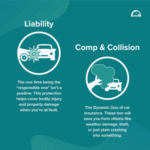
Liability insurance covers damages and injuries you cause to others.
This may include:
- Medical expenses
- Property damage
- Legal costs
Most states require liability coverage by law.
Collision Coverage
Collision insurance pays for damage to your vehicle resulting from accidents.
Examples include:
- Hitting another vehicle
- Colliding with an object
- Single-car accidents
Comprehensive Coverage
Comprehensive insurance covers non-collision incidents such as:
- Theft
- Fire
- Vandalism
- Storm damage
- Falling objects
Personal Injury Protection
PIP may help pay:
- Medical bills
- Lost wages
- Rehabilitation expenses
Regardless of fault.
Uninsured Motorist Coverage
Protects you if you’re involved in an accident with an uninsured driver.
Benefits of Temporary Car Insurance
Flexibility
Drivers only pay for the coverage period they need.
Quick Approval
Many insurers provide instant online approval.
Cost Savings
Short-term coverage may be cheaper than purchasing a long-term policy for brief usage.
Convenience
Coverage can often be purchased online in minutes.
Additional Protection
Temporary insurance can supplement existing coverage in certain situations.
Ideal for Occasional Drivers
People who rarely drive may avoid paying for unnecessary annual policies.
Drawbacks of Temporary Car Insurance
Despite its advantages, temporary insurance also has limitations.
Higher Daily Cost
The daily rate can be higher than the equivalent cost of a standard annual policy.
Limited Availability
Not all insurers offer temporary coverage.
Eligibility Restrictions
Some providers have strict requirements regarding:
- Driver age
- Driving history
- Vehicle type
Limited Coverage Options
Certain specialized protections may not be available.
Not Suitable for Long-Term Use
Drivers who regularly use a vehicle often save money with traditional insurance.
How Much Does Temporary Car Insurance Cost?
Several factors affect pricing.
Driver Age
Younger drivers typically pay higher premiums due to increased risk.
Driving Record
Drivers with:
- Traffic violations
- DUI convictions
- Accident history
Often face higher rates.
Vehicle Type
Luxury and high-performance vehicles generally cost more to insure.
Location
Insurance costs vary based on:
- State regulations
- Traffic conditions
- Crime rates
Coverage Limits
Higher coverage limits result in higher premiums.
Coverage Duration
Longer temporary policies usually cost more overall.
Temporary Car Insurance vs Standard Car Insurance
| Feature | Temporary Insurance | Standard Insurance |
|---|---|---|
| Duration | Days to months | 6–12 months |
| Flexibility | High | Moderate |
| Cost Structure | Short-term | Long-term |
| Availability | Limited | Widely available |
| Best For | Occasional drivers | Regular drivers |
Temporary insurance works best for short-term needs, while standard insurance remains the better choice for ongoing vehicle use.
Temporary Insurance for Young Drivers
Young drivers often face challenges obtaining affordable insurance.
Temporary coverage can be useful for:
- Borrowing family vehicles
- School vacations
- Learning to drive
- Occasional vehicle use
However, premiums may be significantly higher due to increased accident risk among younger motorists.
Temporary Insurance for Rental Cars
Many travelers rely on temporary insurance when renting vehicles.
Coverage options include:
Rental Company Insurance
Offered directly by rental agencies.
Credit Card Coverage
Some credit cards provide rental car protection.
Independent Temporary Insurance
Third-party insurers may offer broader coverage at lower costs.
Always compare options before accepting rental counter coverage.
Situations Where Temporary Insurance Makes Sense
Temporary car insurance is often appropriate when:
- Borrowing a vehicle
- Sharing driving duties
- Test driving a car
- Using a vehicle temporarily
- Waiting for permanent insurance
- Renting a car
- Moving vehicles between locations
In these situations, short-term protection can provide peace of mind and legal compliance.
Situations Where It May Not Be the Best Choice
Temporary insurance may not be ideal if:
- You drive regularly
- You own a vehicle long-term
- You need extensive coverage options
- Annual insurance is available at a lower overall cost
Long-term policies generally provide better value for everyday drivers.
Tips for Finding Affordable Temporary Car Insurance
Compare Multiple Quotes
Shop around and compare offers from several insurers.
Maintain a Clean Driving Record
Safe driving can help reduce premiums.
Choose Appropriate Coverage Limits
Avoid paying for unnecessary coverage while maintaining adequate protection.
Consider Higher Deductibles
Higher deductibles may lower premiums.
Check Existing Coverage
You may already have protection through:
- Current auto policies
- Rental car benefits
- Credit card programs
Purchase Only What You Need
Select the shortest coverage period that meets your requirements.
Common Myths About Temporary Car Insurance
Myth 1: It’s Always Expensive
While daily rates may be higher, temporary insurance can be cost-effective for short-term needs.
Myth 2: Coverage Is Limited
Many temporary policies provide protections similar to standard insurance.
Myth 3: Only Young Drivers Use It
Drivers of all ages utilize temporary coverage.
Myth 4: It’s Difficult to Obtain
Many insurers offer fast online applications and instant approval.
Myth 5: It’s Only for Rental Cars
Temporary insurance can also cover borrowed, newly purchased, or occasionally used vehicles.
How to Choose the Right Temporary Car Insurance Policy
Before purchasing coverage, consider:
Coverage Needs
Determine the protections required for your situation.
Policy Duration
Select a coverage period that matches your intended vehicle use.
Insurer Reputation
Research customer reviews and claims satisfaction ratings.
Cost
Compare premiums and deductibles.
Exclusions
Read policy terms carefully to understand what’s not covered.
Claims Process
Choose insurers with straightforward claims handling procedures.
Frequently Asked Questions
Is temporary car insurance legal?
Yes. Temporary car insurance is a legitimate insurance product offered by many insurers.
Can I get temporary insurance immediately?
Many providers offer instant coverage after approval and payment.
Can I insure a borrowed car?
In many cases, yes. Temporary insurance is often used when borrowing a vehicle.
Is temporary insurance cheaper than annual insurance?
For short-term needs, it can be more affordable. For long-term use, annual policies usually offer better value.
Can new drivers get temporary insurance?
Yes, although rates may be higher depending on age and experience.
Does temporary insurance cover accidents?
Most policies include liability coverage and may offer collision and comprehensive protection depending on the plan selected.
Conclusion
Temporary car insurance provides a flexible solution for drivers who need coverage for a limited period. Whether you’re borrowing a vehicle, taking a road trip, renting a car, test driving a vehicle, or waiting for a permanent policy to begin, temporary insurance can offer valuable protection without requiring a long-term commitment.
Before purchasing a policy, compare multiple insurers, understand coverage limits, and evaluate your specific needs. While temporary car insurance may not be the best option for everyday drivers, it can be a practical and cost-effective choice for occasional vehicle use.
By understanding how temporary car insurance works and selecting the right policy, you can drive confidently knowing you’re protected during your short-term driving needs.